The Definitive Guide

Lab-Grown Diamonds, Explained.

Real diamonds. Identical chemistry. Independently certified. Up to 70% more affordable — and grown without scarring the earth. Everything you need to know before you buy.

100%
Real Diamond
Up to 70%
More Affordable
IGI / GIA
Certified
~85%
Less Land Impact
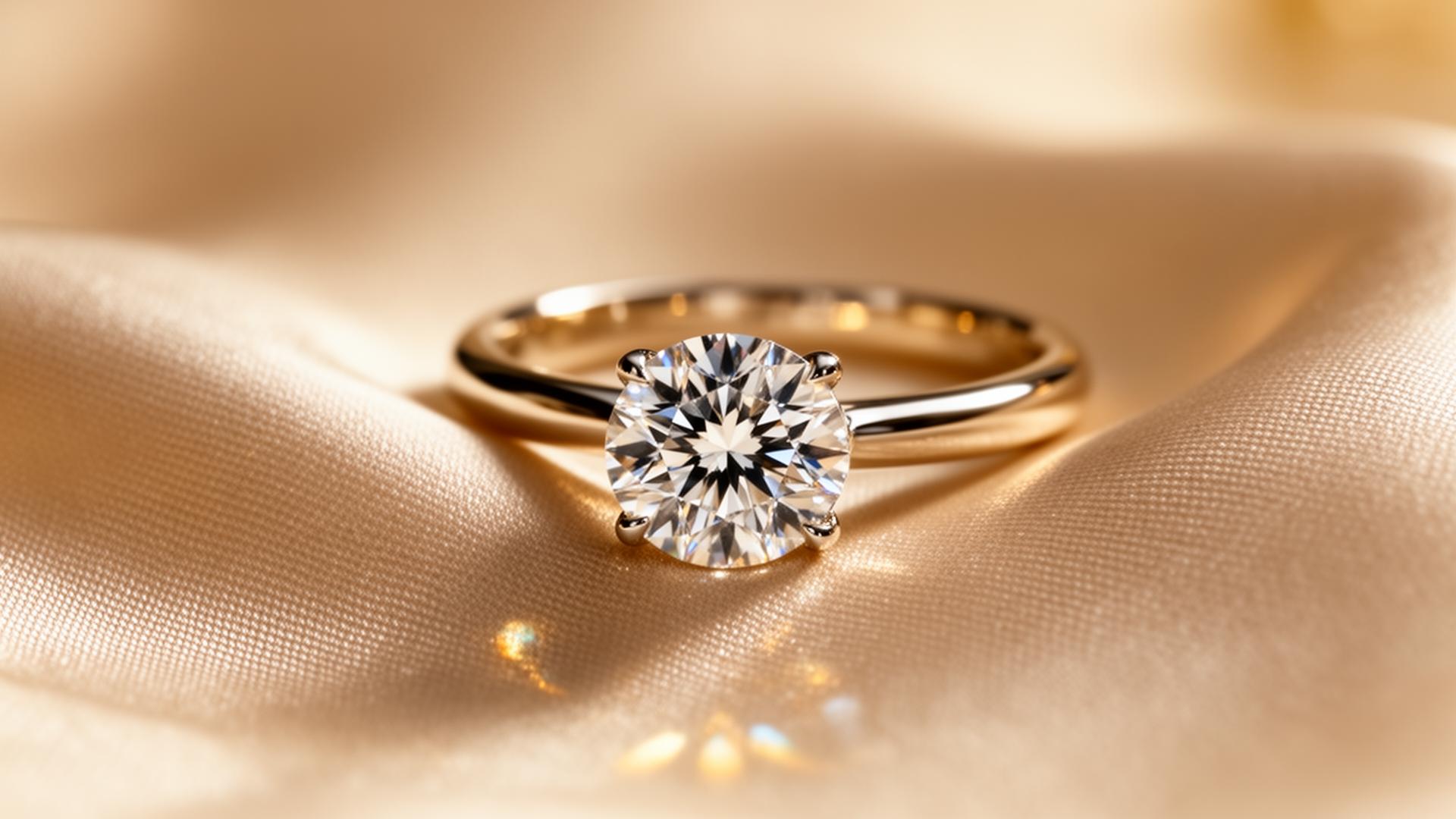
Certified lab-grown diamond solitaire engagement ring

D / VVS1

Top-tier grades at a fraction of the price.

Trusted by collectors, certified by the world's most respected institutions.

IGI

Independently Certified

GIA

Graded & Verified

SCS

Sustainability 007

RJC

Responsible Jewelry

Carbon

Neutral Operations

Conflict

Free Guarantee

Visit Official Website →
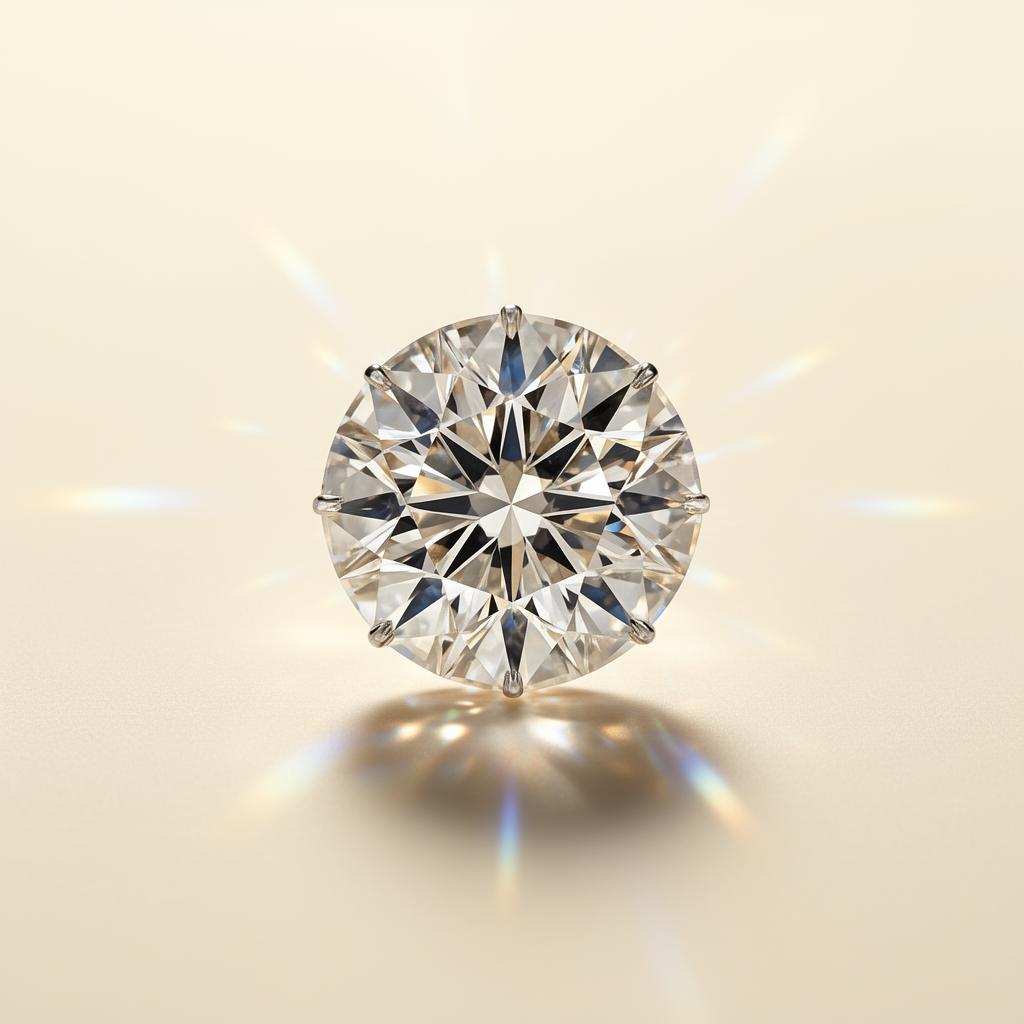
Macro view of a certified lab-grown brilliant cut diamond

What They Are

A real diamond — just grown above ground.

Lab-grown diamonds are pure crystallized carbon, formed under the same extreme heat and pressure as mined diamonds — only inside an advanced reactor instead of beneath the earth's crust. The result is optically, chemically, and physically identical to mined stones.

Composition
100% pure carbon (C) — same as mined diamond
Hardness
10 on the Mohs scale (the hardest natural material)
Refractive Index
2.42 — identical sparkle and fire
Detection
Indistinguishable to the naked eye, even to jewelers
Certification
Graded by IGI, GIA & GCAL using the same 4Cs
View certified lab-grown diamonds

How They're Made

Two methods. Billions of years, compressed into weeks.

Modern reactors recreate the exact conditions that form diamonds underground — only faster, cleaner, and with complete traceability from seed to certificate.

Method 01

HPHT — High Pressure, High Temperature

A small diamond seed is placed in pure carbon and exposed to ~1,500°C and 1.5 million PSI — the same conditions that form diamonds in the earth's mantle, replicated in days instead of billions of years.

Temperature
~1,500°C
Pressure
1.5M PSI
Growth
5–10 days

Method 02

CVD — Chemical Vapor Deposition

A diamond seed sits in a sealed chamber filled with carbon-rich gas. Microwave energy ionizes the gas, and pure carbon atoms rain down on the seed, building the crystal layer by atomic layer.

Temperature
~800°C
Gas
Methane + Hydrogen
Growth
3–4 weeks
  1. 01

    Seed

    A flat slice of pure diamond becomes the foundation.

  2. 02

    Grow

    Carbon atoms bond to the seed inside a sealed reactor.

  3. 03

    Cut & Polish

    Master cutters shape 58 facets to optical precision.

  4. 04

    Certify

    Independently graded by IGI, GIA, or GCAL labs.

Why Choose Lab-Grown

Six reasons buyers are switching to lab-grown.

$

30–70% More Affordable

Identical grade and clarity for a fraction of the cost. A 2ct lab-grown often costs less than a 1ct mined diamond — meaning bigger, better stones within the same budget.

Identical Quality

Same chemistry, same hardness (10 Mohs), same fire and brilliance. Lab-grown diamonds routinely achieve top D-color and IF–VVS clarity grades that are rare in mined stones.

Radically Lower Impact

No mining pits, no displaced communities, no rivers diverted. Lab-grown diamonds use a fraction of the land and water of traditional mining operations.

100% Conflict-Free

Fully traceable from reactor to ring. There is no opportunity for blood diamonds, smuggling, or unethical labor in the lab-grown supply chain.

Cutting-Edge Technology

Built with the same advanced materials science used in semiconductors, aerospace, and quantum computing — the future of luxury, engineered today.

Certified & Graded

Every reputable lab-grown diamond is independently graded by IGI, GIA, or GCAL using the exact same 4Cs criteria as mined stones.

Ready to Compare?

Browse certified lab-grown diamonds graded to the world's strictest standards.

Explore Diamonds

Lab-Grown vs Mined

Identical where it counts. Different where it matters.

Attribute
Lab-Grown
Mined
Chemical composition
Pure carbon (C)
Pure carbon (C)
Hardness (Mohs)
10
10
Optical brilliance
Identical
Identical
Origin
Grown in a lab in weeks
Mined over billions of years
Average price (per ct)
30–70% less
Premium pricing
Top color & clarity
Widely available
Rare & expensive
Traceability
Full — seed to certificate
Often opaque supply chain
Conflict risk
Zero
Possible
Land disturbed (per ct)
Minimal
~100 sq ft mined
Carbon footprint
Lower & decreasing
Significantly higher
Certification
IGI / GIA / GCAL
GIA / IGI

Sources: GIA, IGI grading standards; Trucost ESG environmental analyses; FTC guidance recognizing lab-grown diamonds as real diamonds (2018).

The 4Cs of Quality

How to read a diamond grading report.

Whether mined or lab-grown, every certified diamond is judged against the same four criteria. Understanding them is the difference between a smart purchase and an expensive guess.

01

Cut

The most important C.

Cut governs how light enters, bounces, and exits. Aim for Excellent or Ideal — it's what gives a diamond its sparkle.

02

Color

From colorless to warm.

Graded D (colorless) through Z. D–F is exceptionally rare in mined stones but readily available in lab-grown.

03

Clarity

Internal & surface purity.

FL and IF are flawless; VVS1–VS2 are eye-clean and represent the best value sweet spot.

04

Carat

Weight, not size.

Lab-grown unlocks larger carats within budget — a 2ct lab-grown can cost less than a 1ct mined diamond.

Sustainable luxury — the lab-grown diamond era

Sustainability & Ethics

Beautiful, by the numbers.

Traditional diamond mining moves mountains — literally. Lab-grown production compresses the same geological process into a controlled facility, eliminating the environmental and human cost.

Explore ethically grown diamonds
~250 t
of earth removed per single mined carat
~85%
less land disturbed by lab-grown production
~7×
less water used vs traditional mining
100%
traceable supply chain — seed to certificate

Is This For You?

Honestly — lab-grown isn't for everyone.

We'd rather you figure that out before you buy than after. Here's the quick read.

You want a real diamond, not a simulant

Lab-grown is chemically identical to mined — same carbon, same fire, same forever. Not moissanite, not cubic zirconia.

You care where your money goes

Up to 70% more stone for the same budget — or the same stone for far less. Money toward the ring, not the markup.

You want certified, not 'trust us'

Every stone we recommend is independently graded by IGI or GIA. You read the report before you decide.

And who it's probably not for

  • You specifically want a stone with mining provenance for personal reasons.
  • You're looking for the cheapest possible stone with no certification.
  • You're shopping for an investment vehicle rather than a piece of jewelry.

Frequently Asked

Answers to the questions buyers ask most.

Still curious? Speak with a certified diamond advisor for one-on-one guidance.

Talk to an expert

Are lab-grown diamonds real diamonds?

+

Yes. The U.S. Federal Trade Commission officially recognized lab-grown diamonds as real diamonds in 2018. They have identical chemical composition (pure carbon), crystal structure, hardness, and optical properties as mined diamonds — the only difference is origin.

Can a jeweler tell the difference?

+

No — not with the naked eye, a loupe, or standard testing equipment. Distinguishing lab-grown from mined requires specialized spectroscopy machines used only by certified gemological labs.

How much cheaper are lab-grown diamonds?

+

Typically 30–70% less than a comparable mined diamond. The exact savings depend on the 4Cs, but it's common to get a 2-carat lab-grown stone for the price of a 1-carat mined one of the same grade.

Do lab-grown diamonds hold their value?

+

Lab-grown diamonds are best understood as a luxury good rather than an investment vehicle — much like a fine watch. They retain emotional and aesthetic value indefinitely, and the savings versus mined diamonds let you buy a far higher-grade stone for the same budget.

Are they certified?

+

Yes. Reputable lab-grown diamonds are graded by the same independent labs that certify mined diamonds — IGI, GIA, and GCAL — using the identical 4Cs methodology.

Will they cloud, fade, or change color over time?

+

No. Lab-grown diamonds are chemically identical to mined diamonds and have the same legendary durability. They will look exactly the same in 100 years as the day you bought them.

Begin Your Journey

A private consultation, on your terms.

From a single solitaire to a fully bespoke commission, our advisors guide you through every facet of the Aurelia experience — discreetly, patiently, beautifully.

  • Private virtual & in-atelier appointments
  • Lifetime certification, service & polish
  • Complimentary worldwide insured delivery
Visit Official Website

Discreet & secure. Replies within 24 hours.

Ready to Learn More?

Get answers from a certified diamond expert.

Send us your questions about grades, certifications, and pricing — and we'll help you understand exactly what to look for before you buy.

Certified · Conflict-Free · Independently Graded

Talk to an Expert

Latest resources

Helpful guides from our SEO plan

SEO article

The Evolution of Ethical Sourcing of Diamonds in the Luxury Sector

Explore how the ethical sourcing of diamonds in the luxury sector is reshaping the market. Discover Lumex's heritage, transparency, and lab-grown innovation.

Read article ->

SEO article

Choosing Premium Sustainable Diamond Jewelry Suppliers Near You: A Guide to Ethical Luxury

Discover how to choose the right sustainable diamond jewelry suppliers near you. Lumex combines over a century of heritage with lab-grown diamond innovation.

Read article ->

SEO article

The Nuances of Eco-Conscious Luxury: Are Lab Grown Diamonds 100% Sustainable?

Explore the intersection of heritage and innovation. Lumex explores the honest nuances behind the question: are lab grown diamonds 100% sustainable?

Read article ->

SEO article

A Legacy of Trust: Sourcing from Ethical Diamond Trade Partners in India

Discover how Lumex combines a century of heritage with cutting-edge lab-grown innovation to serve as your premier ethical diamond trade partner in India.

Read article ->